


The current problem in 2015, is that the Taliban are aggressively fighting for control for areas in Afghanistan. The Afghanistan military after years of training by the US military with financial support, do not seem able to adequately defend themselves. This is partly because these Taliban groups have homes and a base in nearby Pakistan. A counter insurgency operation cannot succeed while the insurgents are provided a nearby safe haven where they can refresh, re-supply re-equip and add recruits. The Pakistan leaders vehemently deny this but they are dissembling. The US has to face up to this fact by confronting Pakistan directly on this issue, so that the Afghans can have a fair chance to be successful at self governing.
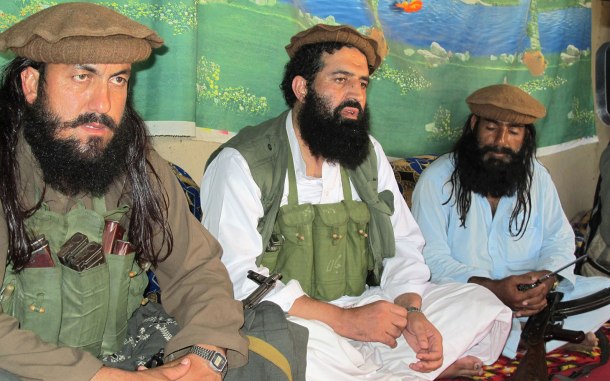

“The Taliban also threatens to destabilise Pakistan, where they control areas in the north-west and have been blamed for a wave of suicide bombings and other attacks.”
“Many observers now believe that future peace in Afghanistan can only come if the government in Kabul negotiates with the Taliban.”
“The announcement of Taliban plans to open an office in Qatar in June 2013 was seen as a positive step in those negotiations, but mistrust on both sides remains high.”
“Despite this, talks between the Taliban and Afghan government officials took place for the first time in July 2015.” (The talks fell apart when the Taliban refused to continue until ALL US military left Afghanistan.)
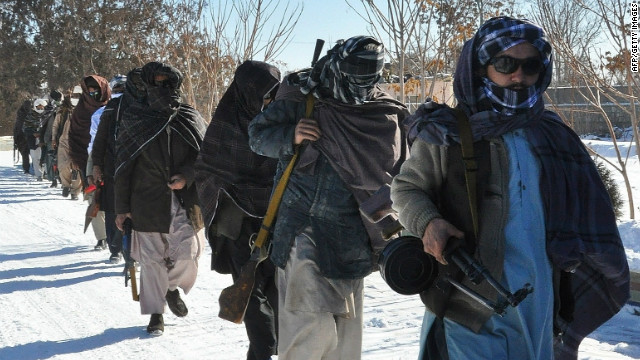
“Those talks came a month after a group of Afghan women met Taliban representatives in Oslo.”
“In September 2015, the Afghan Taliban said they had put aside weeks of infighting and rallied around a new leader in the form of Mullah Mansour, who had been the deputy of longstanding leader Mullah Omar.”
“The previous month the Taliban admitted they had covered up Mullah Omar’s death for more than two years.”
Austere rule
“The Taliban emerged in the early 1990s in northern Pakistan following the withdrawal of Soviet troops from Afghanistan.”
“A predominantly Pashtun movement, the Taliban came to prominence in Afghanistan in the autumn of 1994.”
“It is commonly believed that they first appeared in religious seminaries – mostly paid for by money from Saudi Arabia – which preached a hard line form of Sunni Islam.”
“The Taliban’s promise – in Pashtun areas straddling Pakistan and Afghanistan – was to restore peace and security and enforce their own austere version of Sharia, or Islamic law, once in power.”

“In both countries they introduced or supported Islamic punishments – such as public executions of convicted murderers and adulterers and amputations of those found guilty of theft.”
“Men were required to grow beards and women had to wear the all-covering burka.”
“The Taliban banned television, music and cinema and disapproved of girls aged 10 and over from going to school.”

THE TALIBAN
“Pakistan has repeatedly denied that it is the architect of the Taliban enterprise.”
“But there is little doubt that many Afghans who initially joined the movement were educated in madrassas (religious schools) in Pakistan.”
“Pakistan was also one of only three countries, along with Saudi Arabia and the United Arab Emirates (UAE), which recognised the Taliban when they were in power in Afghanistan from the mid-1990s until 2001.”
“It was also the last country to break diplomatic ties with the Taliban.”
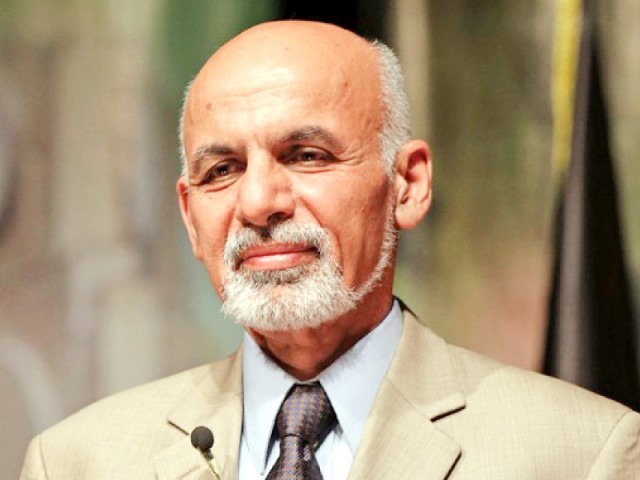
“Although Pakistan has in recent years adopted a harder line against Taliban militants carrying out attacks on its soil, Prime Minister Nawaz Sharif – who was elected in May 2013 – has said talking to the militants is one of his priorities.”
“At least three key leaders of the Pakistani Taliban were killed in US drone strikes in 2013. Mullah Nazir was killed in January and Waliur Rehman was killed in May.”
“In November 2013, the group’s leader in Pakistan, Hakimullah Mehsud, was killed in a drone strike.”
“But despite these setbacks for the militants, there is evidence that their influence in Karachi has significantly increased.”

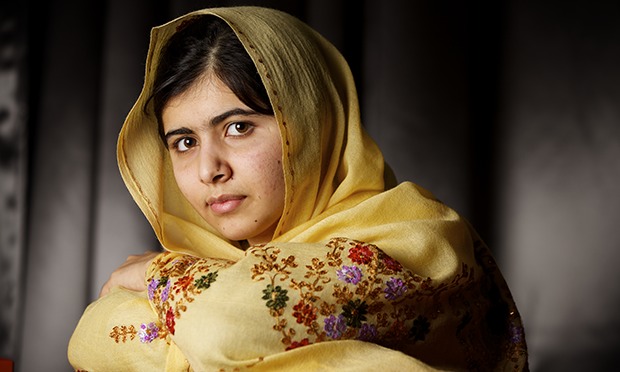
“What is arguably one of the most internationally criticised of all Pakistani Taliban attacks took place in October 2012, when schoolgirl Malala Yousafzai was attacked on her way home in the town of Mingora.”
Al-Qaeda ‘sanctuary’
“The attention of the world was drawn to the Taliban in Afghanistan following the attacks on the World Trade Centre in September 2001.”
“Soon after 9/11 the Taliban were driven from power in Afghanistan by a US-led coalition, although their leader Mullah Mohammad Omar was not captured.”
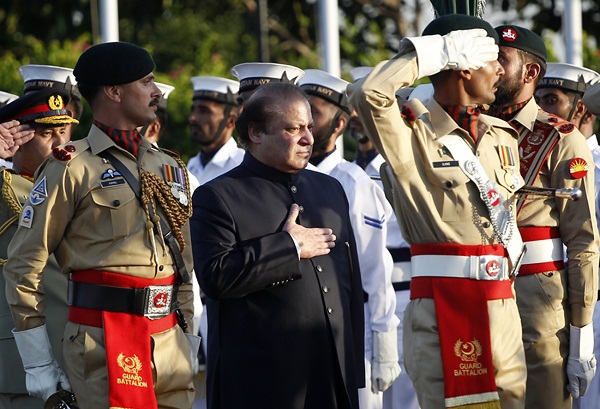
“In recent years the Taliban have re-emerged in Afghanistan and grown far stronger in Pakistan, where observers say there is loose co-ordination between different Taliban factions and militant groups.”
“The main Pakistani faction was led by “until his death. His Tehrik-e Taliban Pakistan (TTP) is blamed for dozens of suicide bombings and other attacks.”
“Observers warn against over-stating the existence of one unified insurgency against the Pakistani state, however.”
“For years the Taliban in Afghanistan were led by Mullah Omar, a village clergyman who lost his right eye fighting the occupying forces of the Soviet Union in the 1980s.”
“Afghans, weary of the mujahideen’s excesses and infighting after the Soviets were driven out, generally welcomed the Taliban when they first appeared on the scene.”
“Their early popularity was largely due to their success in stamping out corruption, curbing lawlessness and making the roads and the areas under their control safe for commerce to flourish.”
US onslaught
“From south-western Afghanistan, the Taliban quickly extended their influence.”
“They captured the province of Herat, bordering Iran, in September 1995.”
“By 1998, they were in control of almost 90% of Afghanistan.”

They were accused of various human rights and cultural abuses. One notorious example was in 2001, when the Taliban went ahead with the destruction of the famous Bamiyan Buddha statues in central Afghanistan, despite international outrage.
On October 7, 2001, a US-led military coalition invaded Afghanistan and by the first week of December the Taliban regime had collapsed.

“Mullah Omar and his comrades have evaded capture despite one of the largest manhunts in the world.” (Afghan leaders are stating that Mullah Omar died in 2013. )
“They are generally thought to be taking refuge in the Pakistani city of Quetta, from where they are guiding the resurgent Taliban.”
“But the existence of what is dubbed the “Quetta Shura” is denied by Islamabad.”

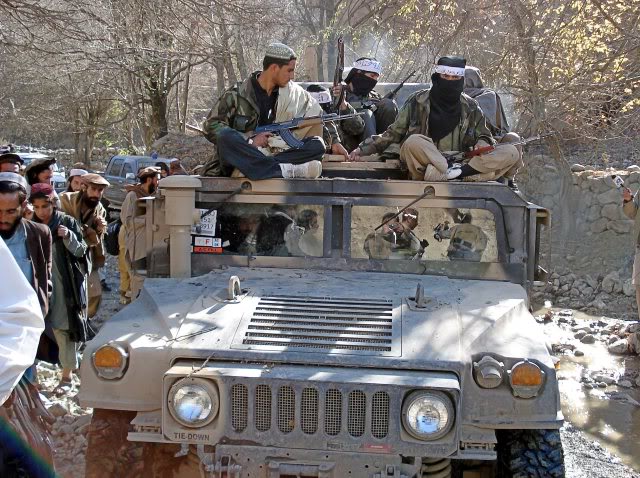
“Despite ever higher numbers of foreign troops, the Taliban have steadily extended their influence, rendering vast tracts of Afghanistan insecure, and violence in the country has returned to levels not seen since 2001.”
Their retreat earlier this decade enabled them to limit their human and material losses and return with a vengeance.”
“There have been numerous Taliban attacks on Kabul in recent years and, in September 2012, the group carried out a high profile raid on NATO’s Camp Bastion base.”

“In the same month the US military handed control of the controversial Bagram prison – housing more than 3,000 Taliban fighters and terrorism suspects – to the Afghan authorities.”
“In September 2015 the Taliban seized control of a provincial capital for the first time since their defeat in 2001, taking control of the strategically important city of Kunduz.”(Kunduz is where Doctors without Borders Hospital was bombed by US air strikes on 10/3/15. Twenty two people were killed. US is admitting fault.)
The US is keeping close to 10,000 troops in Afghanistan throughout 2015, but the Taliban finds itself an increasingly splintered organization – that is also threatened by the rise of the so-called Islamic State militant group in Afghanistan.”
RELATED ARTICLE:
the illusion of governance – Defense Technical Information … http://www.dtic.mil/cgi-bin/ by JJ Mendoza – 2013 – Related articles May 22, 2013 – its border with the Federally Administered Tribal Areas (FATA) of Pakistan (DAT- … system of governance powered by bribes…
 Gronda Morin
Reblogged this on The Militant Negro™.
LikeLike
GRAZIE MILLE!! As always, thanks for your longtime support and for this reblog. Congrats on the Chicago Cubs win!
LikeLike
Reblogged this on It Is What It Is and commented:
Middle East education … continues here!
LikeLike
GRAZIE MILLE!!! I can’t thank you enough for your support and for this reblog.
LikeLiked by 1 person
Most welcome … always!!
LikeLike